
- 0800 755 5269
- info@pat4less.co.uk
1. Damaged or Frayed Power Cables: One of the most frequent issues is physical wear and tear on leads and plugs. Vacuum cleaners dragged across shop floors, kettles with flexes bent too often, or extension cords pinched under desks — all can leave wires exposed. Even a small nick in insulation increases the risk of shock or fire.
Prevention: Regularly check cords for cuts or fraying, avoid trapping leads under heavy furniture, and replace damaged cables immediately.
2. Incorrectly Fused Plugs: It’s surprisingly common to find appliances fitted with the wrong fuse. For example, a small desk lamp carrying a 13-amp fuse instead of the required 3-amp. In an overload, that fuse won’t blow quickly enough, which could result in overheating or fire.
Prevention: Always match the fuse to the appliance rating. PAT testing will flag incorrect fuses, but you can also check manufacturer instructions and use the right value when replacing plugs.
"The dangers you can’t see are often the ones that hurt the most."
3. Overloaded Extension Lead: Extension leads and multiway adaptors are magnets for trouble, especially in offices, cafés, or retail spaces where power outlets are scarce. Plugging in kettles, heaters, and computers into one strip causes overheating and fire risk.
Prevention: Stick to one high-power appliance per socket (e.g. kettles, heaters, microwaves). Use extensions with built-in circuit breakers, and avoid “daisy chaining” multiple adaptors together.
4. Loose or Exposed Internal Wiring: PAT testers often open up plugs to inspect wiring. They frequently discover wires poorly connected, screws loose, or earth wires cut short. These faults can lead to live parts being exposed, creating serious shock hazards.
Prevention: Only competent individuals should ever rewire plugs. If you’re unsure, replace the plug entirely. PAT inspections are invaluable here, as faults inside plugs aren’t visible externally.
5. Appliances with Hidden Damage or No Earth Connection: Some appliances — particularly older or imported items — may have lost their earth connection or never had one fitted. Others may appear fine but fail insulation resistance checks. These hidden dangers are impossible to spot without proper testing equipment.
Prevention: Always buy appliances from trusted suppliers and keep up with regular PAT inspections. Don’t assume an appliance is safe just because it works.
Electrical hazards aren’t always obvious. A kettle might still boil water and a till might still ring up sales, even while presenting a serious risk. PAT testing catches the silent failures before they become headlines. By understanding the common issues — from frayed cables to overloaded sockets — business owners can take simple steps to reduce risks, protect staff and customers, and stay compliant.
Safety isn’t just about ticking boxes. It’s about protecting people, livelihoods, and the community.
A broken kettle might cost you pennies; a failed safety check could cost you your business.
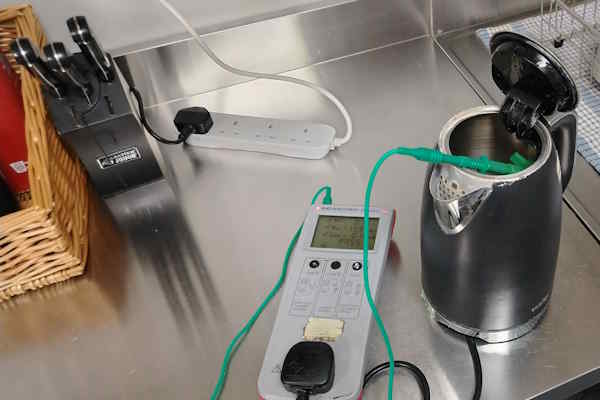
The dangers you can’t see are often the ones that hurt the most.

Landlords carry a duty of care to ensure the electrical safety of their tenants

Preparing for a PAT inspection doesn’t have to be disruptive

Lighting, heating, music, and store layout all run on electricity. Ignore that, and the charm becomes a risk.

An unsafe plug doesn’t just spark a hazard — it sparks liability.