
- 0800 755 5269
- info@pat4less.co.uk
Next, make sure equipment is accessible. Move obstructions, unlock cupboards, and have staff aware that testing is happening. If you’ve got critical kit that can’t be powered down during working hours, plan those items separately. Engineers can work around your schedule, but only if the site has thought it through in advance.
One good example: when we tested the Platform 9¾ store in King’s Cross, we had everything lined up. Lots of people, constant queues, but no downtime. Appliances were ready, access was clear, and staff were briefed. We worked through in the background while business carried on as normal. That’s how it should be done.
"Preparing for a PAT inspection doesn’t have to be disruptive"
Finally, get your paperwork straight. Keep past certificates, logs, and registers to hand, and file new ones immediately once the job’s done. It protects you, speeds up audits, and keeps insurers happy. Simple steps, but they make all the difference to how efficient a PAT round goes.
A broken kettle might cost you pennies; a failed safety check could cost you your business.
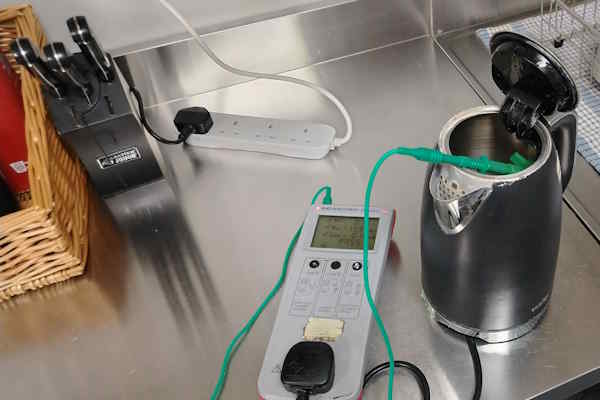
The dangers you can’t see are often the ones that hurt the most.

Landlords carry a duty of care to ensure the electrical safety of their tenants

Preparing for a PAT inspection doesn’t have to be disruptive

Lighting, heating, music, and store layout all run on electricity. Ignore that, and the charm becomes a risk.

An unsafe plug doesn’t just spark a hazard — it sparks liability.